
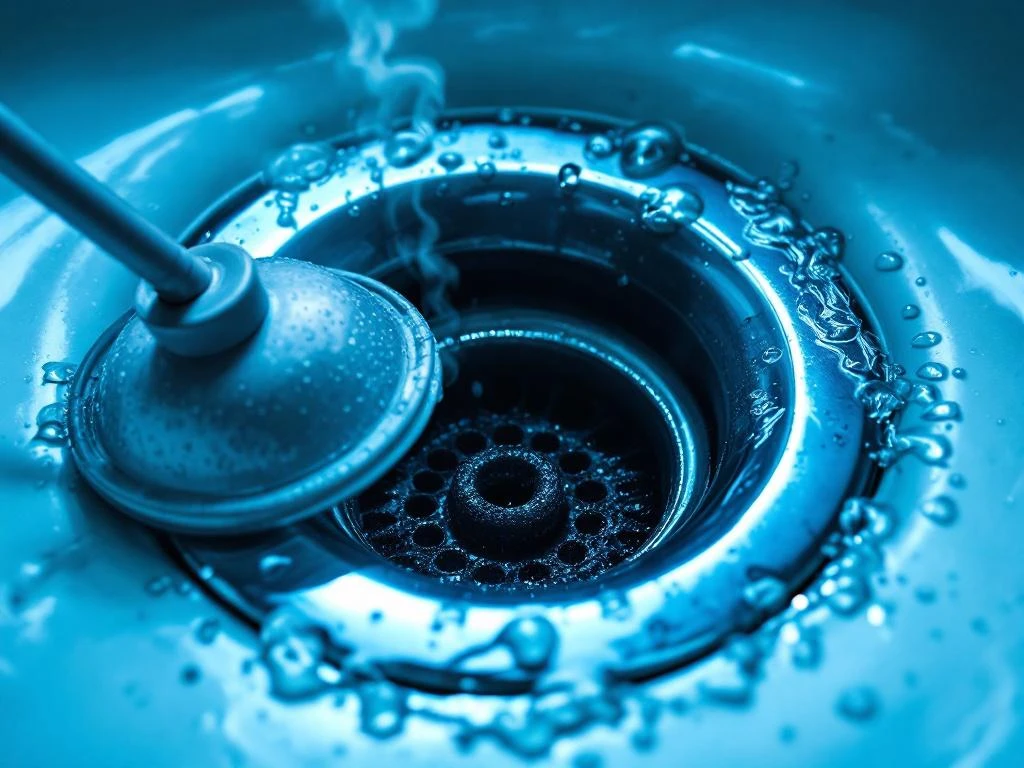
A blocked toilet is one of the most common sudden problems in a household. In most cases, you can unblock it yourself with simple household tools such as a rubber pump, hot water or dishwashing liquid. If the water does not come out at all or the blockage recurs regularly, it may be a more serious plumbing problem that requires professional help. In this article, we'll look at the most common causes of blockages, effective home remedies and situations where you should call a plumber.
What causes a toilet to become blocked?
The most common cause of toilet blockages is too much toilet paper at one time. The paper does not have enough time to break down before it forms a blockage in the drain. In particular, thick or multiple papers are more likely to cause problems than thinner options.
Another major cause is foreign objects that do not belong in the toilet. Children's toys, cleaning wipes, wet wipes and toiletries do not decompose in water in the same way as toilet paper. These items easily get stuck in the plumbing and collect other material around them, making the blockage worse.
Plumbing problems can also cause repeated blockages. Old pipes may be calcified or have an angle that is too steep for efficient flushing. If a pipe clog is regularly visited in the home, it is often a structural problem that requires a plumber's inspection.
How can you unblock a blocked toilet yourself at home?
A rubber pump, or sump pump, is the most efficient and safest way to unblock a blocked toilet. Place the pump's rubber cup on the bottom of the toilet to completely cover the drain hole. Press the pump down and pull up forcefully several times. This will create a vacuum which will unblock the blockage. Repeat several times if necessary until the water starts to flow normally.
Hot water and dishwashing liquid work well for less severe blockages. Pour about half a litre of dishwashing liquid into the toilet and leave for 10-15 minutes. Then boil a bucket of water and pour it into the toilet from a height of about a metre. The hot water and detergent will dissolve grease and soften the toilet paper. Do not use boiling water, however, as it can damage the porcelain.
Metal wire can help if the blockage is near the bottom of the toilet. Straighten the wire and bend a small hook at one end. Gently push the wire into the drain and try to hook or push the blockage out. Be careful not to scratch the porcelain. This method is best for small blockages that cannot be removed with a pump.
When does it take a professional to fix a blocked toilet?
Professional help is needed when the blockage does not clear with home remedies or when it keeps coming back. If you have tried pumping and other methods repeatedly without success, you are probably dealing with a problem deeper in the pipework. In this case, professional equipment such as a pipe camera or more powerful opening tools are needed.
Water rising in other drains is a serious sign. If flushing the toilet causes water to rise in the shower, sink or floor drains, it's a wider drainage problem. This indicates a blockage in the main drain, which requires immediate professional attention to avoid greater damage.
Unpleasant odours that do not go away with normal cleaning can also indicate sewage problems. A bad smell may be caused by dirt accumulated in the pipework or even a pipe break. If you notice dampness on the floors or walls near the toilet, contact a plumber immediately. At 24 Center, our on-call plumbers are available around the clock to help with any plumbing problems in your home.
What not to do with a blocked toilet?
Chemical drain openers are often the first idea, but they can cause more harm than good. Strong chemicals can damage old pipes and porcelain. They are also dangerous to your health and the environment. If the chemical doesn't unclog, it will remain standing in the toilet, making it harder for a professional to work and potentially causing hazards.
Repeated flushing will make the situation much worse. If the first flush does not remove the water, flushing again will only raise the water level. This easily leads to an overflow, which causes water damage to the bathroom. Always wait for the water to subside before flushing again, or drain some of the water before attempting repairs.
The wrong tools can break the toilet or make the blockage worse. Do not use hard objects such as screwdrivers or wooden sticks, which can split the porcelain or push the blockage deeper. Excessive pumping can also damage the internal parts of the toilet. If in doubt about the safety of the method, call a professional instead. When it comes to clogs in your home, it's best to be judicious so that a small problem doesn't turn into a major renovation.
A blocked toilet is a nasty situation, but it can usually be solved with simple home remedies. A rubber pump, hot water and patience go a long way. If the problem is more serious or recurs regularly, don't hesitate to contact a professional. With timely help, you can avoid major damage and more expensive repairs.


