
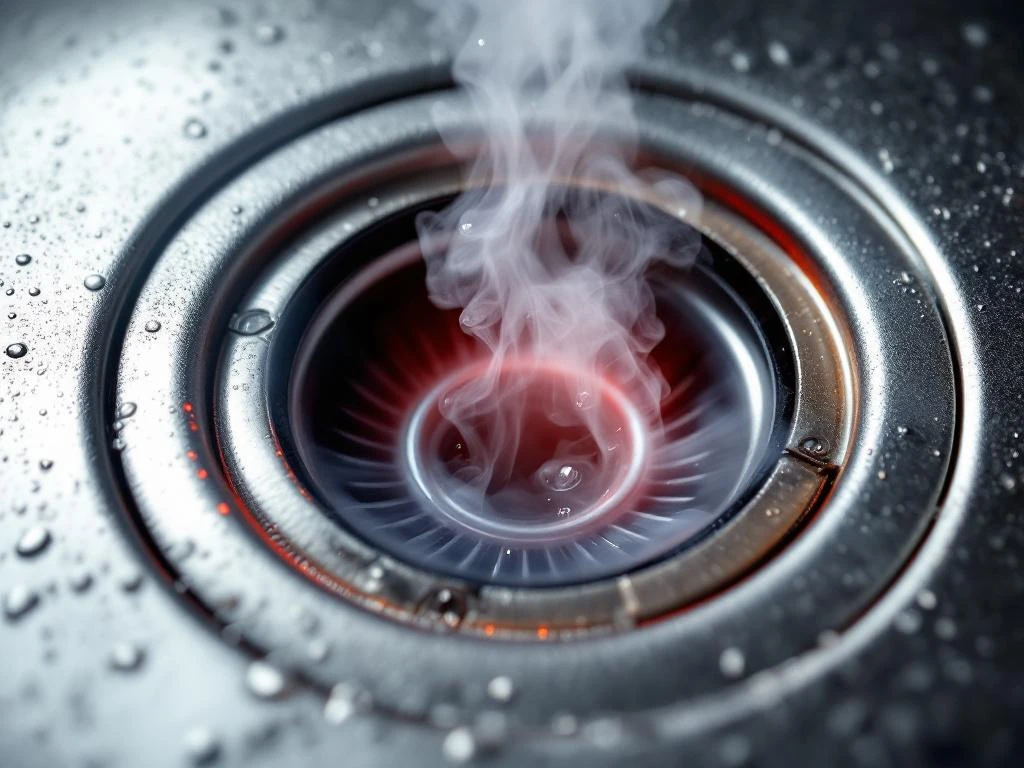
Pouring boiling water directly down the drain can cause serious damage to the pipework. High temperatures have a particularly damaging effect on plastic pipes and their joints, which can lead to leaks and costly repairs. Sewer pipes are designed to withstand ordinary domestic water, which is considerably lower than boiling water at 100 degrees Celsius. In this article, we'll go over why boiling water is harmful to plumbing and how hot water should be properly treated.
Why can't boiling water be poured down the drain?
Boiling water causes thermal stress on the piping, which damages plastic materials and their joints in particular. PVC and plastic pipes soften at high temperatures, which can lead to deformation and structural damage. Copper pipes are more resistant to heat, but the seals at the joints can also be damaged.
A sudden change in temperature causes expansion in the pipe material. When a pipe expands rapidly, its joints and seals are subjected to severe stress. This is particularly problematic in older pipelines where the materials are already worn. Repeated temperature changes will gradually deteriorate the structure of the pipework, even if no immediate damage is visible.
The heat resistance of plastic pipes varies depending on the material. Standard PVC pipes can withstand around 60 degrees Celsius at all times, but temperatures can rise higher for short periods. However, boiling water is well above these safe limits. Copper pipes can withstand higher temperatures, but their seals and solder joints can still be damaged.
Joints are particularly vulnerable to thermal stress. Pipes are joined together by gaskets, adhesives or solder, and these materials are sensitive to temperature. Seals may melt or harden, adhesives may lose their adhesive strength and solder joints may weaken. This leads to leaks that can cause significant water damage.
What happens if you pour boiling water down a drain?
Pouring boiling water down the drain can cause immediate and long-term damage. Immediately after pouring, pipes can be distorted by heat, especially if they are plastic. The pipe may bend or bulge, permanently weakening its structure. Even a small change can lead to more serious problems over time.
The loosening of joints is one of the most common consequences. When a pipe expands rapidly, the joints may not stay in place. Glue can come loose, seals can move out of place and threaded joints can loosen. This leads to leaks that may not be immediately visible but may develop gradually, causing moisture damage to the structure.
Melting or damage to seals is another serious problem. Seals made of rubber or other heat-sensitive materials lose their flexibility and tightness at high temperatures. When a seal is damaged, water can seep through the joints. If you're in a blocked pipe at home and try to unblock it with hot water, you could cause more problems.
Long-term damage accumulates gradually. Even if a single spill of boiling water does not cause visible damage, repeated exposure will weaken the pipeline. Materials become brittle, joints loosen and pipes lose their durability. Eventually this can lead to a situation where the entire pipeline system needs to be replaced, which is considerably more expensive than preventive measures.
How should hot water be poured down the drain?
Cooling and caution are required to safely pour hot water down the drain. Allow boiling water to cool for at least 10-15 minutes before pouring. This will bring the temperature down to a safer level that will not cause sudden stress on the plumbing. You can speed up cooling by adding cold water to hot water before pouring.
Running cold water at the same time is an effective way to protect the pipework. Turn the cold tap on to full before you start pouring hot water. This immediately dilutes the hot water and reduces its temperature before it can affect the pipes. Continue to run the cold water for a while after you have poured the hot water.
Gradual pouring is better than pouring a large amount at once. Pour the hot water in small amounts and let the piping handle each dose before the next. This gives the pipes time to adjust to the temperature change without sudden stress. This is particularly important with large quantities of water, such as pasta water.
The correct temperature for pouring is below 60 degrees. If you have a thermometer, you can check the water temperature before pouring. In practice, water that you can hold your finger in for a few seconds is cool enough for pouring. If the water feels too hot to touch, it's too hot for the drain too.
Which hot water is safe for the sewer?
The safe temperature range for sewer pipes is below 60-80 degrees, depending on the pipe material. Standard PVC plastic pipes can withstand around 60 degrees at all times, while higher quality materials can withstand higher temperatures. Short-term exposure to slightly higher temperatures is generally safe, but repeated exposure will cause damage.
The thermal resistance of different pipe materials varies significantly. Copper pipes are the most resistant to heat and can withstand temperatures of up to 80-90 degrees Celsius without immediate damage. PVC pipes are the most sensitive, with a recommended maximum temperature of 60 degrees Celsius for continuous use. PP plastic pipes fall in between, withstanding temperatures of around 70-80 degrees.
For everyday household use, a good rule of thumb is to keep the temperature of the water poured down the drain the same as the maximum temperature of the tap water. Normal hot tap water is around 50-55 degrees, which is perfectly safe for all plumbing materials. This temperature is high enough to dissolve grease and dirt, but will not cause damage to the plumbing.
If you suspect that your plumbing is already damaged, or if you are experiencing recurring problems with a clog in your home, it's worth contacting a professional. We offer round-the-clock assistance for plumbing problems and can check the condition of your plumbing and advise on the correct practices. Preventive maintenance is always cheaper than repairs after damage, and correct practices with hot water will help avoid costly repairs in the future.


